












The Importance of Reducing Carbon Footprint in Bangladesh


In today’s world, reducing carbon emissions is more important than ever. A carbon footprint measures the total greenhouse gases generated by an individual, organization, or product, usually expressed in CO₂ equivalent. High carbon emissions contribute to global warming, climate change, and environmental pollution, making it critical for both individuals and businesses to take action.
Bangladesh, as a rapidly developing country with growing urbanization and industrial activity, faces significant environmental challenges. Transportation, agriculture, and energy production are major contributors to greenhouse gas emissions, highlighting the urgent need for sustainable practices.
Why Reducing Your Carbon Footprint Matters
Reducing your carbon footprint has multiple benefits:
- Environmental Protection: Lower emissions reduce air pollution and combat climate change.
- Health Benefits: Cleaner air leads to fewer respiratory issues and improved public health.
- Cost Savings: Energy-efficient vehicles, machinery, and industrial practices save fuel and operational costs.
- Sustainable Development: Supports long-term economic growth while preserving natural resources for future generations.
Carbon Emissions in Bangladesh
Key sources of carbon emissions in Bangladesh include:
- Transportation: Cars, motorbikes, trucks, buses, and commercial fleets contribute significantly to CO₂ and NOx emissions.
- Agriculture: Methane from livestock and CO₂ from farm machinery add to greenhouse gas levels.
- Industry & Energy: Factories, generators, and power plants contribute large-scale emissions if not optimized for efficiency.
Practical Steps to Reduce Carbon Footprint
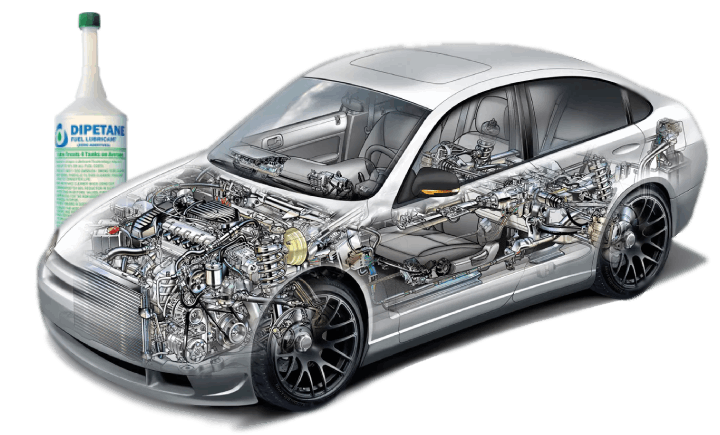
- Optimize Vehicle Fuel Efficiency: Use fuel treatments like Dipetane to improve combustion, reduce carbon deposits, and lower fuel consumption.
- Adopt Renewable Energy: Solar panels, biofuels, and clean energy solutions help reduce reliance on fossil fuels.
- Sustainable Farming Practices: Minimize methane emissions from livestock and adopt energy-efficient machinery.
- Efficient Industrial Operations: Upgrade generators, equipment, and processes to reduce energy waste.
- Promote Public Transportation: Reduce reliance on private vehicles to lower overall transport emissions.
How Dipetane Helps Reduce Carbon Footprint
Dipetane is a 100% hydrocarbon fuel treatment that improves fuel combustion for petrol, diesel, and hybrid engines. By optimizing the burning process:
- CO₂ and NOx emissions are significantly reduced
- Diesel particulate filters (DPFs) stay cleaner for longer
- Engines run more efficiently, consuming less fuel
- Commercial fleets, cars, motorbikes, buses, trucks, marine engines, and generators perform better
ConclusionReducing your carbon footprint is not just an environmental responsibility—it’s also an economic and social imperative. In Bangladesh, adopting sustainable practices in transportation, agriculture, and industry can protect the environment, save costs, and ensure a healthier future.
Fuel treatments like Dipetane make it easier for individuals and businesses to reduce emissions, save fuel, and extend engine life, creating a win-win for both the environment and operations.
Take Action Today – Reduce Your Carbon Footprint with Sustainable Practices and Dipetane Fuel Treatment!