












Reducing Greenhouse Gas Emissions in Agriculture in Bangladesh

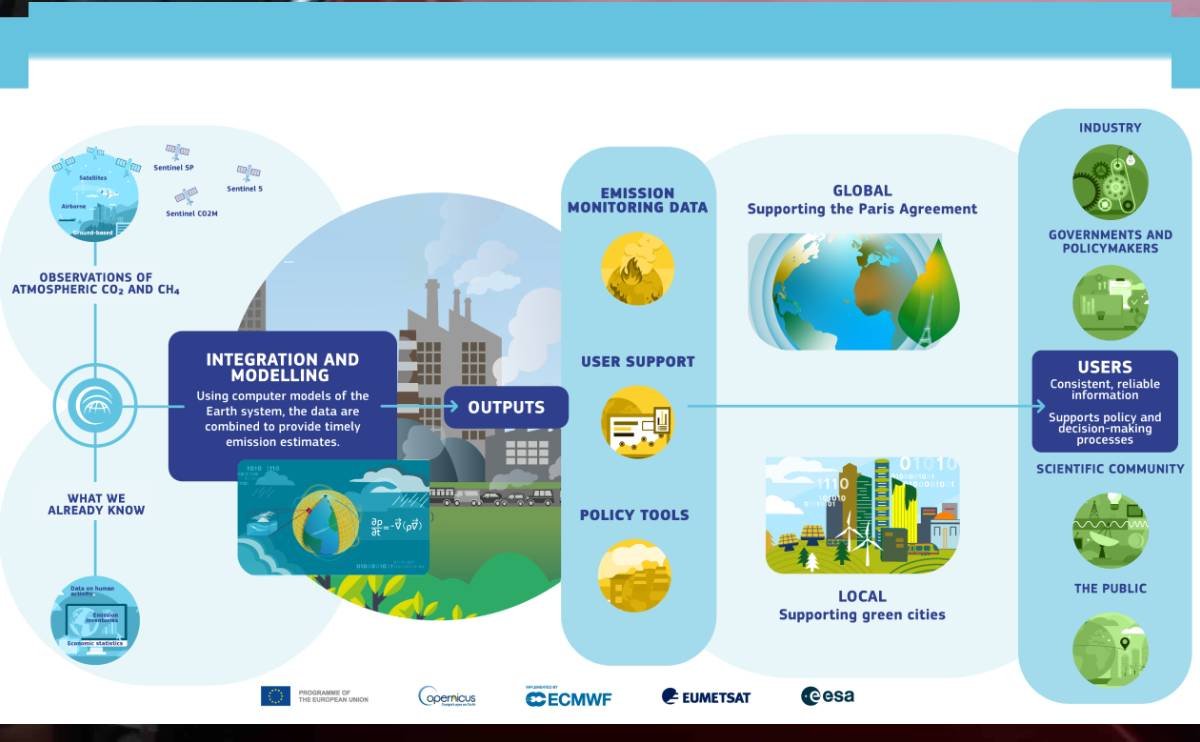
Agriculture is the backbone of Bangladesh’s economy, supporting millions of farmers and contributing significantly to the country’s GDP. However, it is also a major source of greenhouse gas (GHG) emissions, including methane (CH₄), carbon dioxide (CO₂), and nitrous oxide (N₂O). These emissions contribute to climate change, global warming, and environmental degradation, making it essential for the agricultural sector to adopt sustainable practices.
Why Reducing Greenhouse Gas Emissions in Agriculture Matters
Reducing emissions in agriculture has multiple benefits:
- Environmental Protection: Lowering GHG emissions helps combat climate change and preserve ecosystems.
- Improved Soil and Crop Health: Sustainable practices reduce soil degradation and improve crop yields.
- Cost Efficiency: Energy-efficient machinery and better resource management reduce fuel and operational costs.
- Climate Resilience: Reducing emissions helps farmers adapt to changing weather patterns and extreme events.
Key Sources of Agricultural Emissions in Bangladesh
- Livestock Methane: Enteric fermentation in cattle, goats, and other ruminants produces methane—a potent greenhouse gas.
- Rice Cultivation: Flooded rice paddies release methane due to anaerobic decomposition of organic matter.
- Fertilizer Use: Excessive use of synthetic nitrogen fertilizers produces nitrous oxide, a greenhouse gas 300 times more potent than CO₂.
- Farm Machinery: Diesel-powered tractors, pumps, and generators emit CO₂ and other pollutants.
Practical Steps to Reduce Agricultural Emissions
- Adopt Energy-Efficient Machinery: Use modern tractors, pumps, and generators that consume less fuel.
- Sustainable Fertilizer Practices: Apply fertilizers efficiently, and consider organic alternatives to reduce nitrous oxide emissions.
- Livestock Management: Implement improved feeding techniques and manure management to minimize methane release.
- Water-Saving Techniques in Rice Cultivation: Alternate wetting and drying methods reduce methane emissions from rice paddies.
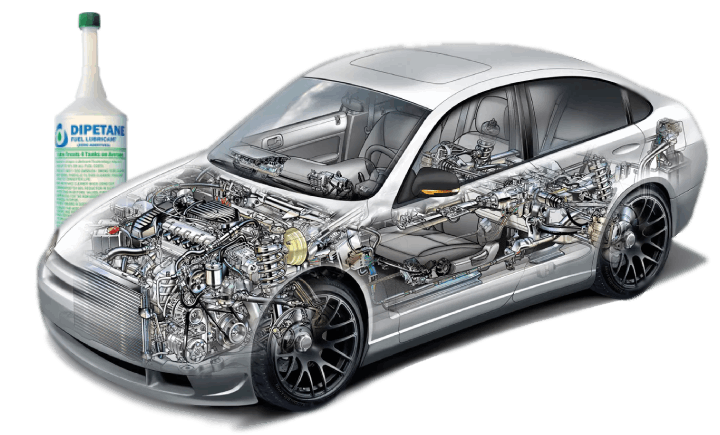
- Use Fuel Treatments like Dipetane: Optimize fuel combustion in farm machinery and generators to reduce CO₂ output, save fuel, and extend engine life.
How Dipetane Supports Sustainable Agriculture
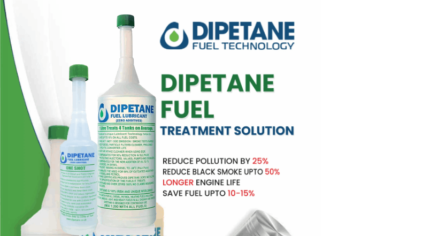
Dipetane is a 100% hydrocarbon fuel treatment that improves fuel combustion for diesel and petrol engines used in agricultural machinery and generators. By improving energy efficiency:
- Reduces CO₂ emissions from tractors, irrigation pumps, and generators
- Keeps engines cleaner and reduces carbon deposits
- Improves fuel efficiency, saving money for farmers
- Supports long-term engine performance and reliability
ConclusionReducing greenhouse gas emissions in agriculture is essential for a sustainable, productive, and climate-resilient future in Bangladesh. By adopting energy-efficient machinery, sustainable farming practices, and fuel treatments like Dipetane, farmers can protect the environment, reduce operational costs, and increase efficiency.
Take Action Today – Reduce Agricultural Emissions and Boost Sustainability with Dipetane Fuel Treatment!